chelated Mn

Other Videos
January 15, 2024
Category Connection: Amino Acid Chelate
Brief: Looking for a straightforward way to supplement manganese in animal feed? This video provides a detailed walkthrough of Manganese Methionine Amino Acid Chelate, explaining its production process, key benefits for animal health, and practical application guidelines across different livestock species.
Related Product Features:
  • Chelated manganese with methionine in a stable five-membered ring structure for enhanced bioavailability.
  • Provides a high biological potency manganese source for animal metabolic enzyme synthesis.
  • Promotes normal bone growth and prevents developmental disorders in young animals.
  • Supports reproductive performance in breeding animals and prevents leg and foot diseases.
  • Contains ≥35% methionine and ≥15% manganese content for effective supplementation.
  • Meets strict safety standards with low levels of lead, cadmium, and arsenic.
  • Available as a light white powder or micro granule with ≤5% moisture content.
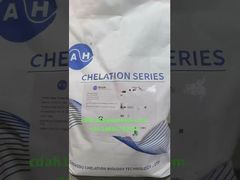
  • Packaged in 25kg kraft paper bags with inner plastic lining for secure storage.
FAQs:
  • What is the main function of manganese methionine chelate in animal feed?
    It provides a highly bioavailable manganese source that activates glycosyltransferase and participates in protein, fat, and carbohydrate metabolism, supporting animal growth, bone development, and reproductive function.
  • How is this manganese chelate different from inorganic manganese sources?
    The methionine chelation creates a stable five-membered ring structure that enhances bioavailability and biological potency compared to inorganic sources, making it more effective for animal metabolic processes.
  • What are the recommended dosage guidelines for different animal species?
    Dosage varies by species: pigs (8-138 mg/kg), broilers (298-759 mg/kg), layers (166-586 mg/kg), with specific amounts for ducks, geese, cattle, and fish. Consult your formulator for precise usage based on your formulation needs.